
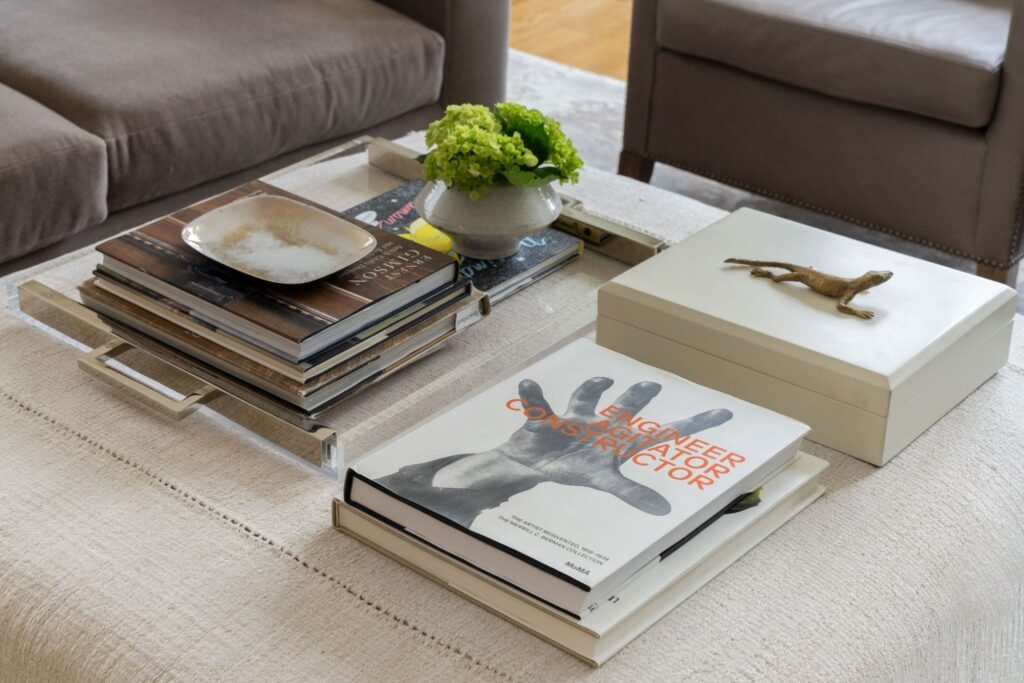
My honest take on coffee table styling? Most people overthink it. They’re hunting for the “perfect” stack of books or worrying about symmetry, when the real secret is much simpler.
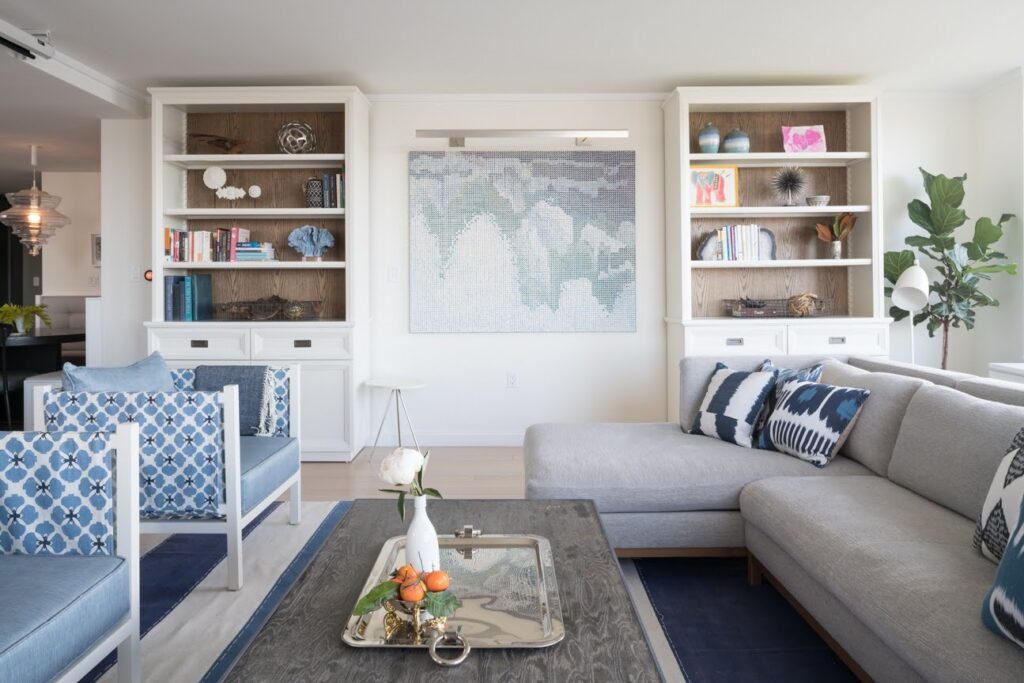
Layer trays of various sizes while incorporating a few small ceramic pieces that aren’t too fragile. That’s the trick. That’s the trick.
A good tray instantly creates order on a surface that’s constantly in use — corralling remotes, coasters, the book you’re reading, whatever needs to live there. And tiny ceramics (what I call “smalls”) add personality without taking up real estate. Together, they make a coffee table feel curated in about three minutes.
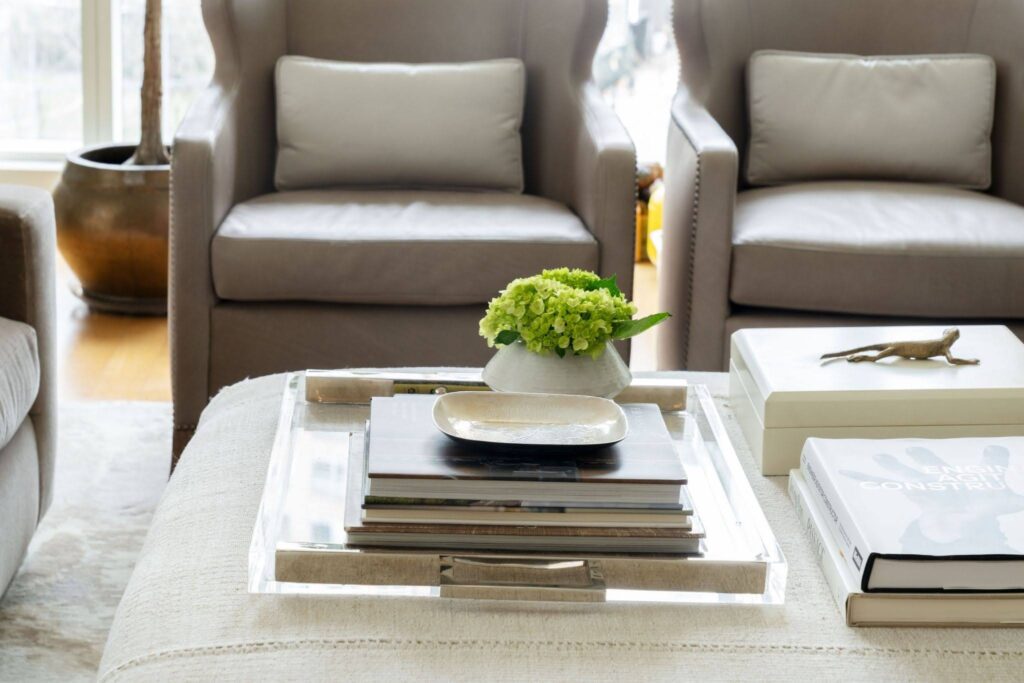
Why Trays Work (Even When Nothing Else Does)
Coffee tables are working surfaces. You need them functional for drinks, books, feet, laptops, the reality of daily life. A tray gives you both: a boundary that keeps things contained and enough structure that the table never looks completely chaotic.
The tray becomes your “zone” for styling. Everything inside it can shift around (because life), but the overall composition stays intact. It’s styling that accommodates real use instead of fighting it.
Choose a tray that:
- Has enough scale to make an impact (too small looks timid)
- Feels substantial — think wood, lacquer, leather, metal
- Isn’t so precious you’ll worry about water rings
- Leaves room on the table for actual living
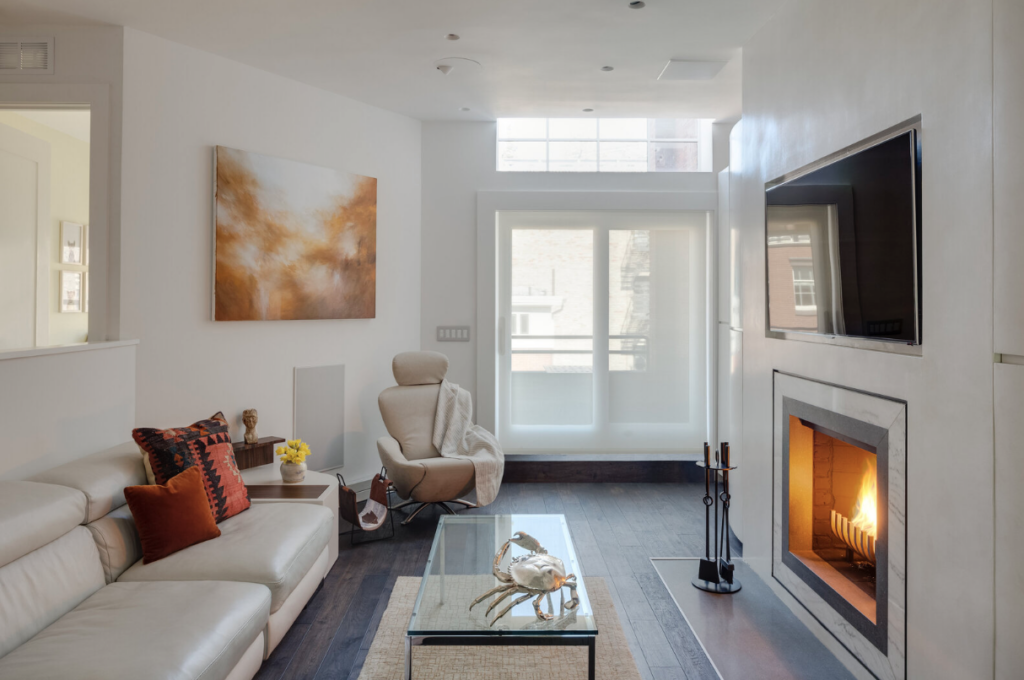
The Case for Tiny Ceramics (and Other “Smalls”)
Weird ceramics are my jam. Small sculptural objects (ceramics, vintage finds, odd little treasures) create moments of discovery on surfaces throughout your home. On a coffee table, they add visual interest without the commitment of large objects.
The beauty of smalls is flexibility. You can shift them around, swap them seasonally, move them to a bookshelf when you need more table space. They’re low-commitment personality.
Look for:
- Sculptural ceramics with interesting form
- Vintage objects with patina and history
- Organic shapes (shells, stones, driftwood)
- Small vessels or boxes that can hold matches, paperclips, whatever
- Things that make you slightly happy when you look at them
These don’t need to “match” your decor. In fact, it’s better if they feel a little unexpected. That’s what makes them interesting.
The 3-Minute Formula
Here’s how to style a coffee table quickly, without overthinking:
1. Start with the tray
Place it off-center or at one end of the table. Asymmetry feels more collected, less staged.
2. Add one stack
Two to four books, stacked. These can be design books, novels you’re reading, whatever’s honest. The stack creates height and gives you a surface to build on.
3. Add one small ceramic or object
On top of the books or next to them in the tray. This is your sculptural moment, the piece that adds personality.
4. Add something living (optional but recommended)
A small bud vase with a single stem, a tiny succulent, a branch. Organic elements make styled surfaces feel less static.
5. Leave space
The rest of the table should be mostly empty. That negative space is what makes the styled area feel intentional rather than cluttered.
Total time: three minutes. Maybe five if you’re particular about the book stack.
What Not to Do
Don’t fill the entire surface. The table needs to function. If there’s no room for an actual coffee cup, you’ve over-styled.
Don’t make it too precious. If you’re nervous about people using the table, your styling is working against daily life. Choose durable objects.
Don’t feel obligated to use candles. Candles are fine, but they’re not required. If you never light them, they’re just waxy decoration taking up space.
Don’t aim for symmetry. Perfect symmetry reads as “decorated” rather than “curated.” Asymmetry feels more natural, more lived-in.
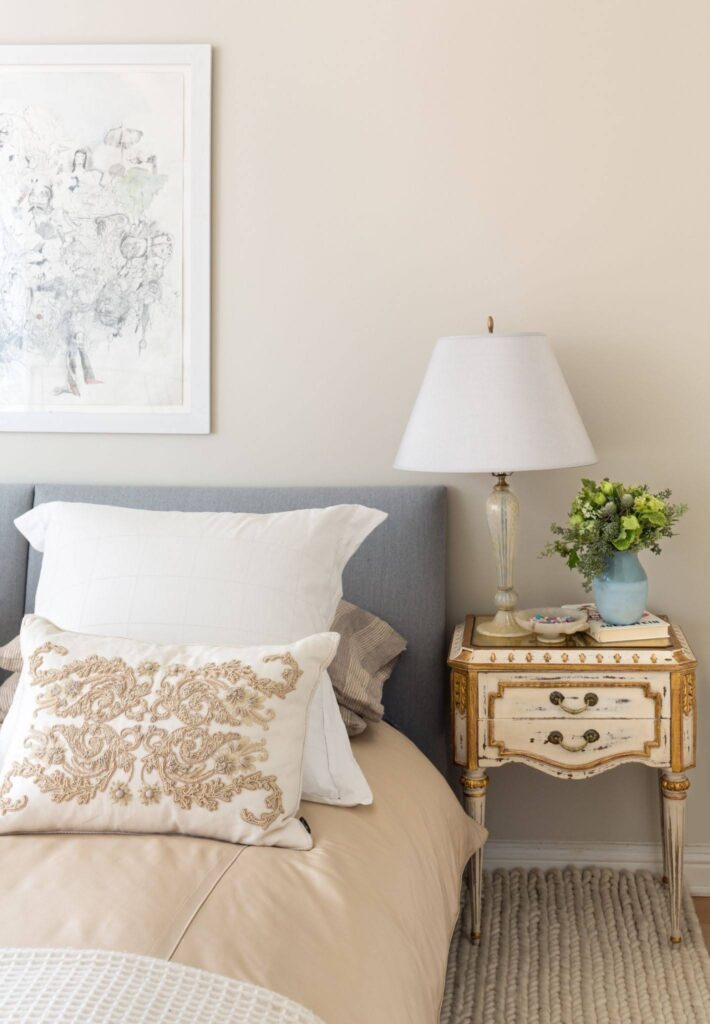
Beyond the Coffee Table: Where Else This Works
This same approach — tray plus smalls plus restraint — works on:
- Nightstands
- Console tables in entryways
- Kitchen counters (corralling olive oil, salt, daily-use items)
- Bathroom vanities
- Desks
- Ottoman tops
The principle is always the same: create a defined zone, add personality through small objects, leave space for real life.
Collecting Your “Smalls” Over Time
The best coffee table styling happens when you’re collecting objects you genuinely love rather than shopping for “coffee table decor.”
I particularly love helping clients collect smalls. These pieces create moments of discovery, small visual surprises that reveal authentic taste rather than anticipated choices.
Start noticing what draws your eye:
- Gallery shops and museum stores (often incredible books)
- Vintage and antique stores (objects with history)
- Artist studios and craft fairs (one-of-a-kind pieces)
- Travel finds (things that remind you of places you’ve been)
When you collect with intention over time, your surfaces tell a story. That’s infinitely more interesting than anything you could buy all at once from a catalog.
The Real Goal
Good coffee table styling should be invisible in its effort. The table should look considered but not staged, personal but not cluttered, functional but not boring.
Trays and tiny ceramics get you there because they work with real life instead of against it. The tray contains the composition. The smalls add personality without commitment. And the negative space lets the table actually function as a table.
Three minutes. That’s all it takes. The trick isn’t finding the perfect objects, it’s giving yourself permission to keep it simple. Ready to create a home full of those small moments of discovery? Contact Laura Krey Design to explore how we can help you curate spaces that feel collected, personal, and effortlessly sophisticated.

Leave A Comment